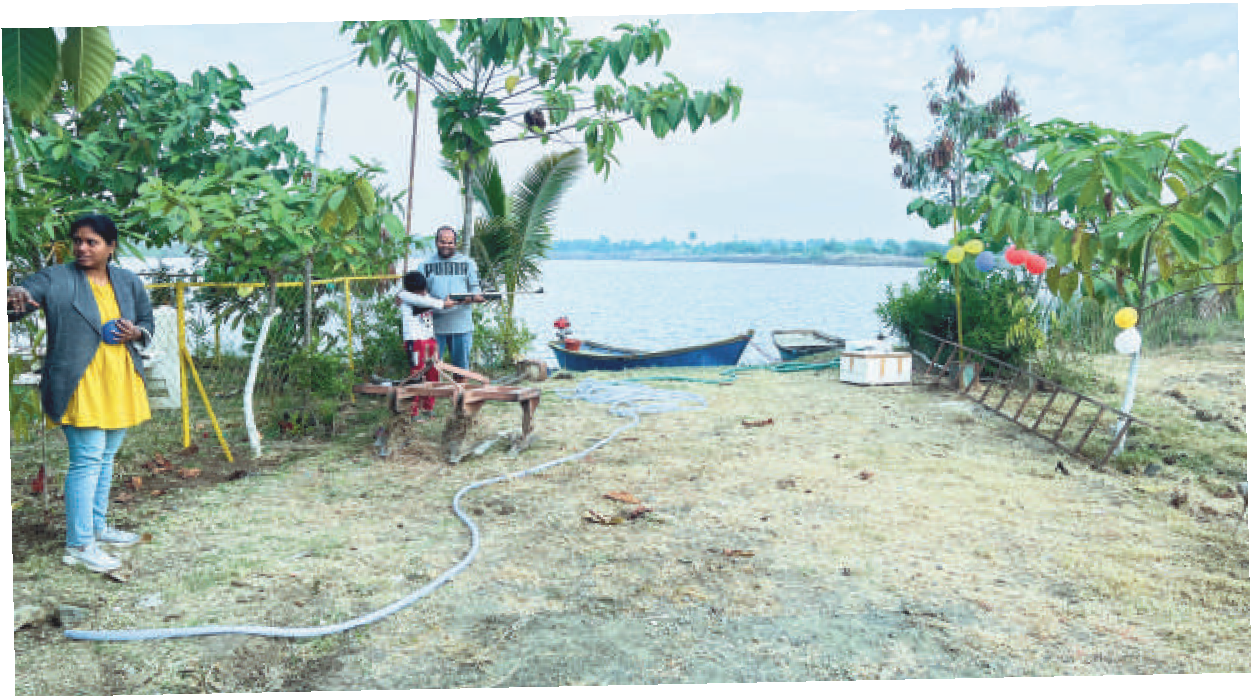
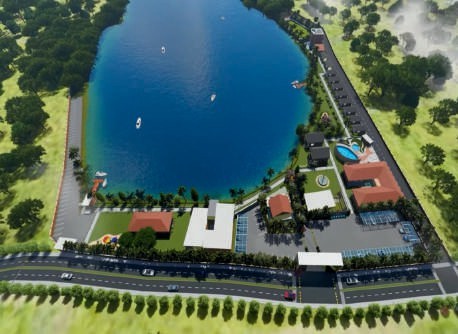
One of the primary reasons for constructing a pond is irrigation, as an irrigation pond is a manmade reservoir designed to store and distribute water for agricultural use. At Ameya Aquaculture, we utilize irrigation ditches and pond systems for fish farming. Our system includes water-retaining ditches or ponds, supported by an advanced above-ground irrigation network with buried pipes and headers. This method allows efficient water storage while enhancing agricultural productivity. In smaller systems, fish are provided with supplemental feed, and their waste serves as a natural fertilizer for surrounding crops.
To enhance production within these systems, we apply fertilization techniques to the pond water. In seasonal ponds with limited water availability, we focus on raising fast-growing fish breeds to maximize efficiency. These ponds are largely self-sustaining, as they naturally cultivate aquatic plants that serve as fish food. An essential step in preparing a pond for aquaculture is ensuring a clean and well-maintained pond bed before fertilization. Proper pond management is crucial to creating a thriving ecosystem that supports both fish farming and irrigation needs.
How it Works!
01
Cages
Fish are kept in netted cages that can be fixed or floating, with sizes and shapes adapted to
different water conditions.
02
Water Flow
The mesh netting allows water to pass freely through the cage, ensuring a constant supply
of oxygen and nutrients and facilitating waste removal.
03
Feeding & Management
Fish are fed a balanced diet within the cage, and their growth and the surrounding water
quality are monitored.
04
Water Bodies
Cage culture can be implemented in a variety of open freshwater and marine environments,
including lakes, rivers, reservoirs, and even coastal areas.
Advantages of Pond Culture
Resource Utilization: It efficiently utilizes existing water bodies like lakes, rivers, and reservoirs, which might otherwise be underutilized.
Low Investment: Cage culture requires a relatively low initial investment because it uses simple technology and existing bodies of water, making it accessible for small-scale operations.
Easy Installation and Management: Cages are relatively easy to set up and manage, requiring less manpower and offering flexibility in operation and location.
Controlled Culture: Provides an opportunity for controlled breeding and culture of specific fish species.
Simplified Maintenance: Disease treatment is simpler, and harvesting is more straightforward compared to other fish farming methods.
Reduced Predation: The meshed nature of the cage helps to protect the fish from predators.
Non-Seasonal Supply: Harvesting a specific number of fish when needed helps maintain a continuous, non-seasonal supply of fish to the market.
Environmental Benefit: Cage culture can be used to improve water quality in eutrophicated (overenriched) waters by growing plantivorous species, such as silver carp.
Adaptability: Cages can be easily moved in emergencies, offering an advantage in unpredictable conditions.